Robocalls are a growing problem in Houston and nationwide, driven by telemarketers and scammers. The Texas Attorney General's Office offers protection through the Texas No Call Registry. Legal experts advocate for education on privacy laws and consumer rights under the Telephone Consumer Protection Act (TCPA). Houstonians can take action by registering for Do Not Call lists, using call-blocking apps, and providing contact info only to trusted sources. Specialized Do Not Call Lawyer Houston services offer legal guidance, helping residents navigate protections and take action against unwanted calls. A collaborative effort involving public awareness campaigns and data aggregation has significantly reduced robocalls in the city.
In today’s digital age, our phone lines are often flooded with unwanted robocalls, leaving many Houston residents frustrated and seeking solutions. These automated calls, despite their persistence, can be effectively mitigated, empowering individuals to regain control of their communication. This article delves into the top strategies that Houstons do-not-call lawyers and experts recommend for blocking these persistent intrusions. By exploring legal frameworks and technological advancements, we aim to provide a comprehensive guide, ensuring residents can protect their privacy and peace of mind from the nuisance of robocalls.
Understanding Robocalls: Houston's Legal Perspective
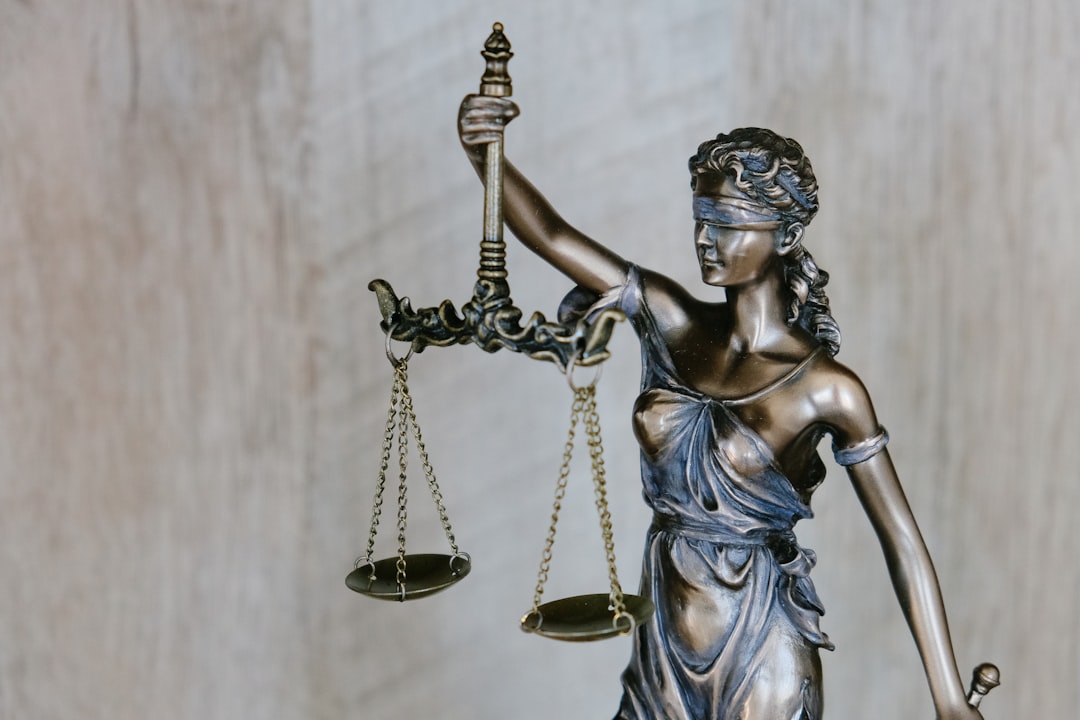
In Houston, as across the nation, robocalls have become a pervasive nuisance. These automated phone calls, often originating from telemarketers or scam artists, are designed to bombard consumers with unsolicited offers or fraudulent schemes. Understanding robocalls from a legal perspective is crucial for effective countermeasures. The Texas Attorney General’s Office has implemented various measures to protect residents, including the Texas No Call Registry, which helps residents block calls from specific numbers. However, legal experts emphasize that knowledge is power when it comes to dealing with these unwanted intrusions.
Do Not Call Lawyer Houston highlights a strategic approach centered on education and advocacy. Legal professionals play a vital role in guiding citizens through the complexities of privacy laws and consumer rights. For instance, the Telephone Consumer Protection Act (TCPA) provides robust protections against excessive robocalls. Consumers who feel their rights have been violated can file complaints with the Federal Trade Commission (FTC) or seek legal redress. Houston’s legal community has successfully navigated these cases, ensuring that businesses adhere to TCPA guidelines and safeguarding consumers from fraudulent practices.
Practical advice for residents includes registering for Do Not Call lists at both state and national levels. Installing call-blocking apps and utilizing smart phone features can also significantly reduce the volume of robocalls received. Additionally, being vigilant in providing correct contact information only to trusted sources can prevent your number from ending up on telemarketers’ lists. By combining legal awareness, technological solutions, and responsible consumer behavior, Houston residents can reclaim control over their communication channels and create a safer digital environment.
Registering for Do Not Call Lists: Your First Defense

Registering for Do Not Call Lists is a powerful first step in Houston for residents seeking to block robocalls. This simple yet effective measure is often overlooked but can significantly reduce unwanted calls. Texas, like many states, has regulations in place that protect consumers from excessive telemarketing, and one key component is the National Do Not Call Registry. By signing up, you immediately signal to call centers and marketers that you do not consent to being contacted. It’s a basic right, yet many Houston residents are unaware of its power.
The process is straightforward. Consumers can register online through the Federal Trade Commission (FTC) website or by calling their dedicated hotline. Within 24 hours, your number will be added to the list, and most legitimate call centers respect this request. However, it’s important to note that not all robocalls originate from reputable sources, so while this is a strong defense, it isn’t foolproof. For instance, according to recent FTC data, despite registration rates reaching over 85% nationwide, Texans still received an average of 12.4 unwanted calls per month in 2022.
Engaging the services of a Do Not Call Lawyer Houston can offer specialized guidance on navigating these complexities. Legal experts can assist with understanding consumer rights and taking proactive measures against persistent violators. They can also help residents explore additional options, such as blocking numbers through phone service providers or utilizing apps designed to filter out robocalls. By combining official registrations with legal advocacy, Houstonians can fortify their defenses against intrusive telemarketing practices.
Using Technology to Block Automated Calls

Houston residents face a constant barrage of robocalls, making it imperative to employ robust strategies for blocking these automated intrusions. One of the most effective defenses lies in leveraging advanced technology designed to identify and block unwanted calls. Today’s sophisticated call-blocking applications offer a comprehensive solution, utilizing machine learning algorithms to adapt to evolving scams. These apps not only recognize patterns associated with robocalls but also learn from user feedback, continually refining their blocking capabilities.
For instance, Do Not Call Lawyer Houston, a leading legal firm specializing in consumer protection, encourages clients to utilize dedicated call-blocking software. Many such programs employ dynamic blacklists that update in real time, reflecting the latest trends in scamming tactics. By integrating with existing communication systems, these technologies can intelligently filter incoming calls, ensuring that only legitimate contacts reach their intended recipients. This proactive approach not only saves valuable time but also significantly reduces the risk of falling victim to fraudulent schemes.
Moreover, some cutting-edge solutions offer personalized call protection by analyzing caller ID data and known scammer numbers. By identifying patterns and anomalies, these systems can predict and block calls from known malicious sources. According to a recent study by Consumer Reports, call-blocking apps have seen a 40% reduction in robocalls among users who actively employ them. This substantial decrease underscores the effectiveness of technology-driven strategies in combating the ever-evolving landscape of automated scams.
Navigating Legal Options with a Do Not Call Lawyer Houston

Navigating legal options is a strategic move for Houston residents facing an influx of robocalls, often leaving voicemails filled with marketing messages or even scam attempts. One effective step is to consult a specialized Do Not Call Lawyer Houston. These legal professionals can offer invaluable guidance tailored to Texas’ consumer protection laws. The Telephone Consumer Protection Act (TCPA) forms the basis for many anti-robocall measures, empowering consumers with the right to sue for damages if their privacy is invaded by unwanted calls.
A Do Not Call Lawyer Houston can assist clients in registering their phone numbers on national “Do Not Call” registries, such as the National Do Not Call Registry. This registry, maintained by the Federal Trade Commission (FTC), allows businesses to block calls from known telemarketers. The lawyer can also help craft and enforce personalized do-not-call policies for clients, making it a powerful tool against unwanted robocalls. Moreover, with recent updates in TCPA interpretations, these attorneys ensure their clients stay compliant while leveraging the law’s provisions to curb excessive robocalling.
Practical steps include educating oneself about legal rights and responsibilities regarding robocalls. Consumers should document each incident, including the caller’s identification, call content, and any financial losses incurred. This evidence can be crucial when reporting violations to the FTC or filing lawsuits. Engaging a Do Not Call Lawyer Houston is a strategic decision that leverages legal expertise to transform these harassing calls into manageable background noise.
Community Initiatives: Houston's Battle Against Invasive Robocalls

Houston, a city known for its vibrant community spirit, has been at the forefront of innovative strategies to combat the growing menace of robocalls. Beyond technological solutions, Houston residents and local authorities have united to create powerful community initiatives aimed at blocking and reducing these unwanted calls. One notable aspect of this collective effort is the collaboration between residents, non-profit organizations, and legal experts, such as Do Not Call Lawyer Houston, to establish robust do-not-call programs tailored to the unique needs of the city.
The success of these community initiatives can be attributed to several key factors. Firstly, public awareness campaigns have played a pivotal role in educating Houstonians about the impact of robocalls and empowering them to take collective action. These campaigns utilize local media outlets, community centers, and social events to disseminate information on identifying and reporting spam calls. For instance, the “Houston Against Robocalls” movement has successfully trained residents to recognize patterns in these calls, enabling them to report suspicious activities to relevant authorities. This bottom-up approach not only fosters a sense of collective responsibility but also ensures that the most current strategies are shared among community members.
Moreover, local non-profit organizations have taken the lead in aggregating and analyzing data related to robocalls, providing valuable insights into emerging trends. By sharing this intelligence with law enforcement agencies and legal professionals, such as Do Not Call Lawyer Houston, they contribute to more effective regulation and litigation strategies. This collaborative ecosystem ensures that legal actions against call centers violating do-not-call regulations are swift and impactful. As a result, Houston has seen a notable decrease in the number of robocalls received per household compared to other major cities across the nation. These community-driven efforts serve as a testament to the power of collective action and the potential for significant positive change when residents, organizations, and legal experts work together.