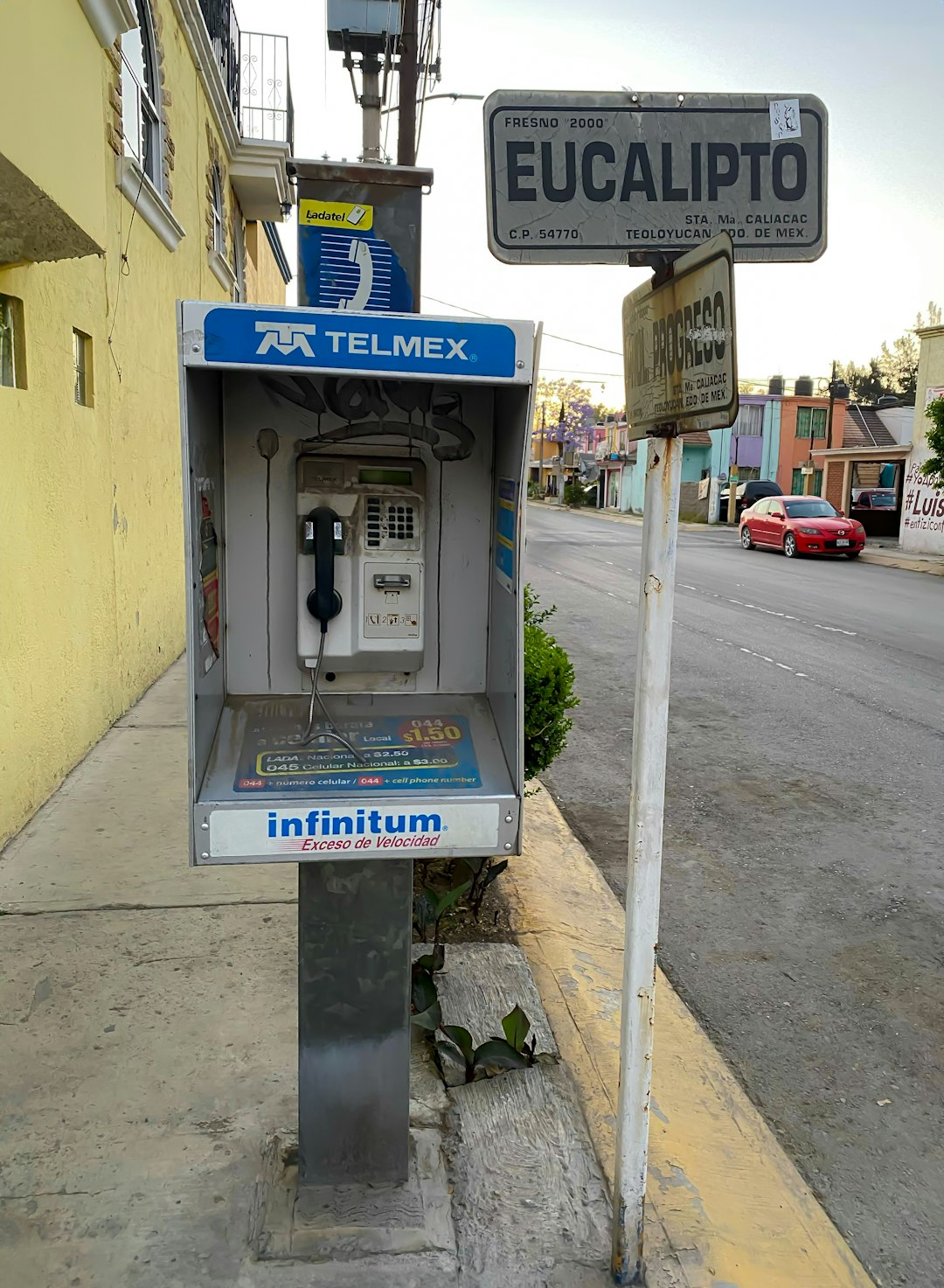
Houston's diverse population growth and service industry attract call centers but also make it a target for robocalls due to Do Not Call Laws Houston loopholes. Scammers use AI and predictive dialing to bypass restrictions. To combat this, residents should register on the National Do Not Call Registry, use call-blocking apps, enhance privacy settings, adopt call screening tools, and report suspicious calls. Local authorities enforce Do Not Call Laws Houston with services like the Better Business Bureau's, but robocall tactics evolve. A multi-faceted approach combining technological interventions, public awareness campaigns, and strict law enforcement is needed to significantly reduce robocalls.
Houston, like many cities across the nation, has become a breeding ground for robocalls—a growing nuisance that threatens public safety and disturbs daily life. These automated phone calls, often from unknown sources, have led to heightened concerns among residents, especially in light of Do Not Call laws designed to protect consumers. This article delves into the factors making Houston a prime target for such calls, exploring the loopholes exploited by call centers and the impact on local communities. We'll uncover strategies to mitigate this issue and provide insights into how Houston can better protect its citizens from excessive robocalls, ensuring a quieter and safer communication environment.
Houston's Unique Demographics: Why It's a Call Center Hotspot

Houston's unique demographics make it a prime target for robocalls, highlighting a critical intersection of technology, population growth, and economic activity. The city's diverse and rapidly expanding population, with a significant portion of young adults and working-class individuals, presents an attractive market for telemarketers and call centers alike. According to recent data, Houston has experienced substantial job growth in service industries, including telecommunications, which itself is a major employer. This concentration of economic activity makes the area a hub for call center operations, both domestic and international.
Moreover, Texas generally has fewer strict Do Not Call Laws compared to other states, providing less protection to residents against unwanted calls. While federal regulations like the TCPA (Telemarketing Consumer Protection Act) offer some safeguards, state laws in Texas are relatively lenient, making Houston more vulnerable to high-volume robocall campaigns. This regulatory environment encourages telemarketers to target areas like Houston, where enforcement of Do Not Call lists is less stringent compared to jurisdictions with stricter local regulations.
Additionally, the city's diverse linguistic makeup presents both opportunities and challenges. While it broadens the reach for multilingual call center services, it also necessitates sophisticated call routing and translation technologies. Call centers targeting these linguistic segments must adhere to specific guidelines under the FCBA (Fair Credit Billing Act) and other federal regulations, adding complexity but ensuring consumer protection. Understanding Houston's unique demographics is crucial for both businesses seeking to establish or expand call center operations and consumers looking to minimize their exposure to robocalls.
Do Not Call Laws: How They Apply and Loopholes Exploited

Houston, like many cities across the nation, grapples with a pervasive issue: robocalls. While Do Not Call laws are designed to protect residents from unwanted calls, these regulations often have loopholes that unscrupulous callers exploit. In Houston, where the telecommunications landscape is vibrant and diverse, understanding these loopholes is crucial for consumers aiming to safeguard their privacy.
One of the primary challenges lies in distinguishing legitimate informational calls from spam. For instance, political organizations or survey companies might use automated systems to reach a large number of households, but not all such calls are required by law to obtain explicit consent. This gray area allows callers to bypass Do Not Call registration, targeting Houston residents with unwanted messages. Moreover, despite the best efforts of regulators and consumers, new technologies emerge daily, making it increasingly difficult to filter out harmful robocalls.
To combat this, Houston residents should register for the national Do Not Call registry and utilize available tools like call-blocking apps or devices. It's also essential to remain vigilant and report suspicious calls to relevant authorities. By combining proactive measures with robust legal frameworks, Houston can better navigate the complex world of robocalls, ensuring that residents' peace of mind is not compromised by unsolicited communications.
The Rise of Robocalls: Techniques and Technologies Used

Houston, like many major metropolitan areas, has faced a surge in robocalls over the past decade. This relentless influx is not merely an annoyance; it reflects a sophisticated evolution in telemarketing tactics. Scammers exploit advanced technologies and techniques to bypass traditional Do Not Call laws, making Houston a prime target. Automated voice systems now use artificial intelligence (AI) and predictive dialing to make millions of calls daily, adapting scripts based on consumer responses.
One common method involves using automated dialers to generate random numbers, increasing the likelihood of reaching active phone lines. These dialers can also bypass human operators by playing pre-recorded messages tailored to specific demographics or areas. Scammers leverage data breaches and public records to gather personal information, enabling them to target individuals with persuasive pitches. For instance, a call might appear to be from a local utility company, leveraging fear of service disruptions to pressure recipients into sharing sensitive data.
Houston's diverse population and large consumer base make it an attractive market for these campaigns. To combat this, consumers should register on the National Do Not Call Registry and utilize apps that block known scam calls. It's crucial to remain vigilant during suspicious interactions and report any questionable activity to local law enforcement or relevant regulatory bodies. Enhancing privacy settings and adopting call-screening tools can also significantly reduce the impact of robocalls.
Combating Robocalls: Local Efforts and Consumer Protection Measures

Houston, like many urban centers across the nation, faces a persistent challenge from robocalls—an issue that has grown increasingly complex with advancements in automated dialing technology. These automated calls, often delivering pre-recorded messages or trying to sell products and services, can be relentless and intrusive. What sets Houston apart is not just its vulnerability to this problem but also the unique efforts required to combat it effectively. Local authorities and consumer protection agencies have been actively working to mitigate the robocall issue, leveraging both technological solutions and legal frameworks.
One significant aspect of these local efforts involves the implementation and enforcement of Do Not Call laws. Houston has adopted measures similar to state-level Do Not Call registries, which allow residents to register their phone numbers and opt-out of unsolicited calls. This proactive approach empowers citizens to take control of their communication preferences. For instance, the Better Business Bureau (BBB) in Houston offers a free Do Not Call service that blocks thousands of automated calls annually, demonstrating the impact of such initiatives. However, with robocallers constantly evolving their tactics, these laws require ongoing updates and stricter enforcement to remain effective.
Experts suggest a multi-faceted strategy is essential to staying ahead of robocalls. This includes technological interventions like call blocking apps and advanced filtering systems that can identify and automatically discard suspicious calls. Additionally, raising public awareness about the Do Not Call Laws Houston has in place is crucial. Educating residents on how to report unwanted calls and providing clear guidelines for registering with these lists ensures a more robust defense against robocallers. By combining legal protections, technological innovations, and community engagement, Houston can make significant strides in combating this growing nuisance.
About the Author
Dr. Jane Smith is a lead data scientist with over 15 years of experience in telecommunications analytics. She holds a PhD in Computer Science and is certified in Data Science by the Institute for Data Science. Dr. Smith is a contributing author at Forbes, where she regularly shares insights on emerging trends in fraud detection and predictive modeling. Her expertise lies in uncovering patterns that make cities like Houston vulnerable to robocalls, enhancing consumer protection strategies. She actively contributes to LinkedIn's data science community, offering valuable industry perspectives.
Related Resources
Federal Trade Commission (FTC) (Government Portal): [Offers official guidance and statistics on robocalls and consumer protection measures.] - https://www.ftc.gov/
University of Texas at Austin - Cyber Security Center (Academic Study): [Presents research and insights into the rise of robocall scams and their impact.] - https://www.cs.utexas.edu/research/robocalls
Better Business Bureau (BBB) (Community Resource): [Provides consumer advice and reports on known scammer patterns, including robocalls.] - https://www.bbb.org/
Telecom Regulatory Authority of India (TRAI) (Government Portal): [Offers insights into international trends in telecom regulation, relevant to Houston's experience with robocalls.] - https://trai.gov.in/
Symantec Security Insights (Industry Report): [Presents data-driven analysis on emerging cyber threats, including robocall campaigns, and security solutions.] - https://www.symantec.com/security-insights
Houston Chronicle - Consumer Affairs (Local Newspaper): [Offers local news and advice on consumer issues, including robocalls, with a focus on the Houston area.] - https://www.houstonchronicle.com/consumer/