
Houston residents face a surge in spam calls, with scammers using advanced tech to impersonate legitimate organizations. Protection comes from federal laws like TCPA, state agencies, and specialized Spam Call law firm Houston. Key actions include registering for the National Do Not Call Registry, blocking unknown numbers, reporting suspicious calls, and staying informed about anti-spam laws. Combining legal defenses and technological measures can significantly reduce robocalls and protect personal data.
In today’s digital age, few threats are as pervasive or annoying as robocalls. Houston residents, like many across the nation, face an ever-growing influx of automated phone calls, often disguised as legitimate businesses or emergency alerts, but frequently serving only to deliver unwanted marketing messages or fraudulent schemes. This deluge has prompted a tightening of regulations, including the Spam Call law firm Houston has implemented to protect consumers. Our authoritative guide explores these measures and offers practical strategies for safeguarding yourself from robocalls, empowering Houstonians with the knowledge needed to navigate this modern challenge effectively.
Understanding Robocalls and Houston's Spam Call Laws

Robocalls, automated phone calls from unknown numbers, have become a pervasive nuisance across Houston and beyond. While many are marketing attempts, some fall into the category of spam calls, often with malicious intent. Houston’s Spam Call laws aim to protect residents from these unwanted intrusions, but understanding how these laws work is crucial for effective prevention.
In Texas, including Houston, robocalls are regulated under the Telephone Consumer Protection Act (TCPA), specifically targeting telemarketing practices. The TCPA restricts automated calls made to personal phones without prior express consent. A ‘spam call’ is typically defined as any call using an automatic dialing system or prerecorded message, used for commercial purposes. Houston’s local Spam Call law firm has seen a surge in cases involving unsolicited sales calls and scam attempts, emphasizing the need for heightened awareness among residents. According to recent reports, nearly 40% of all consumer complaints to the Federal Trade Commission (FTC) are related to robocalls, highlighting their growing impact.
To safeguard yourself, it’s essential to be discerning about incoming calls. If you haven’t given explicit consent for marketing purposes, consider blocking numbers immediately and reporting suspicious calls to your service provider or a Spam Call law firm in Houston. Staying informed about local laws and taking proactive measures can significantly reduce the risk of falling victim to spam calls, ensuring a safer digital environment.
Identifying and Blocking Common Telemarketers
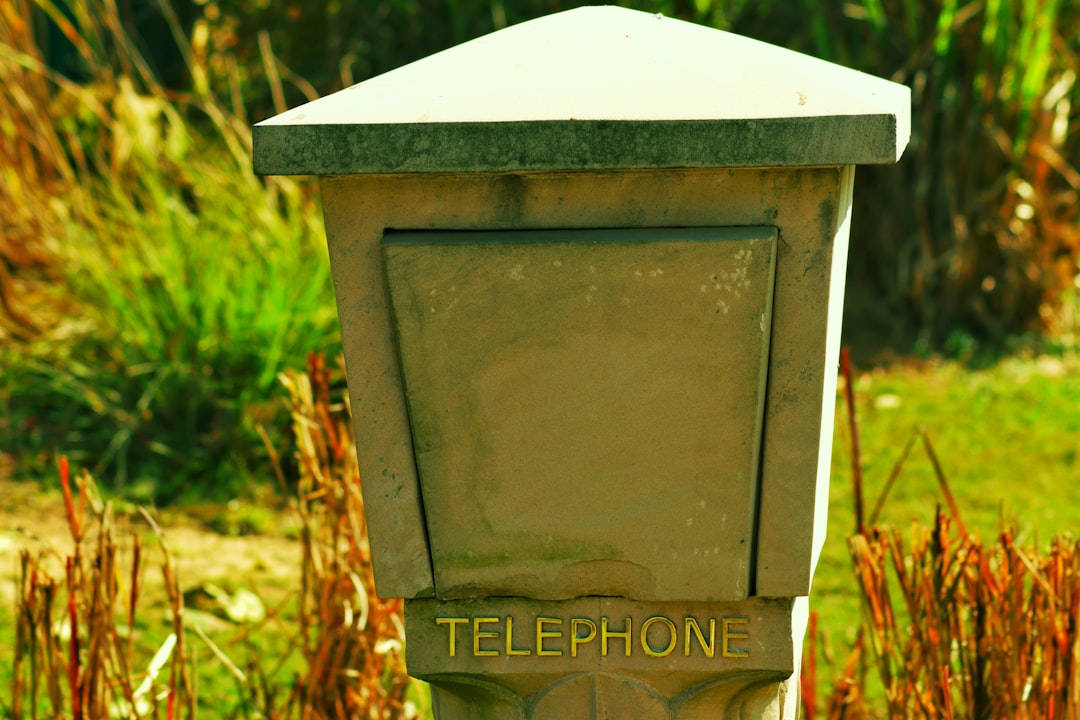
In today’s digital age, Houston residents are increasingly facing a barrage of unwanted robocalls from telemarketers, making it imperative to understand how to protect oneself. These automated calls, often disguised as legitimate business offers or warnings, have become a persistent nuisance, with new tactics evolving rapidly. According to the Federal Trade Commission (FTC), millions of Americans receive thousands of spam calls annually, highlighting the need for robust defense mechanisms.
Identifying common telemarketing schemes is the first step in shielding yourself from these relentless callers. Robocalls often masquerade as official communications, using sophisticated voice-over IP technology to deliver pre-recorded messages. They may claim to be from government agencies, banks, or even local utilities companies. For instance, a recent trend involves scammers posing as representatives from popular tech giants, tricking recipients into revealing personal and financial details. To combat these tactics, Houston residents should stay vigilant, scrutinizing the caller ID and any discrepancies in the stated organization’s name.
Blocking these calls effectively requires a multi-pronged approach. Utilizing call-blocking apps or software designed to identify and filter out spam is a popular strategy. Many modern smartphones have built-in features for this purpose. Additionally, registering your number on Do Not Call lists maintained by both state and federal agencies can significantly reduce the volume of unwanted calls. It’s important to note that while these measures offer substantial protection, staying informed about evolving telemarketing techniques remains crucial. Engaging the services of a Spam Call law firm in Houston can provide specialized assistance, ensuring you stay ahead of these persistent digital invaders.
Legal Rights & Actions Against Unwanted Calls
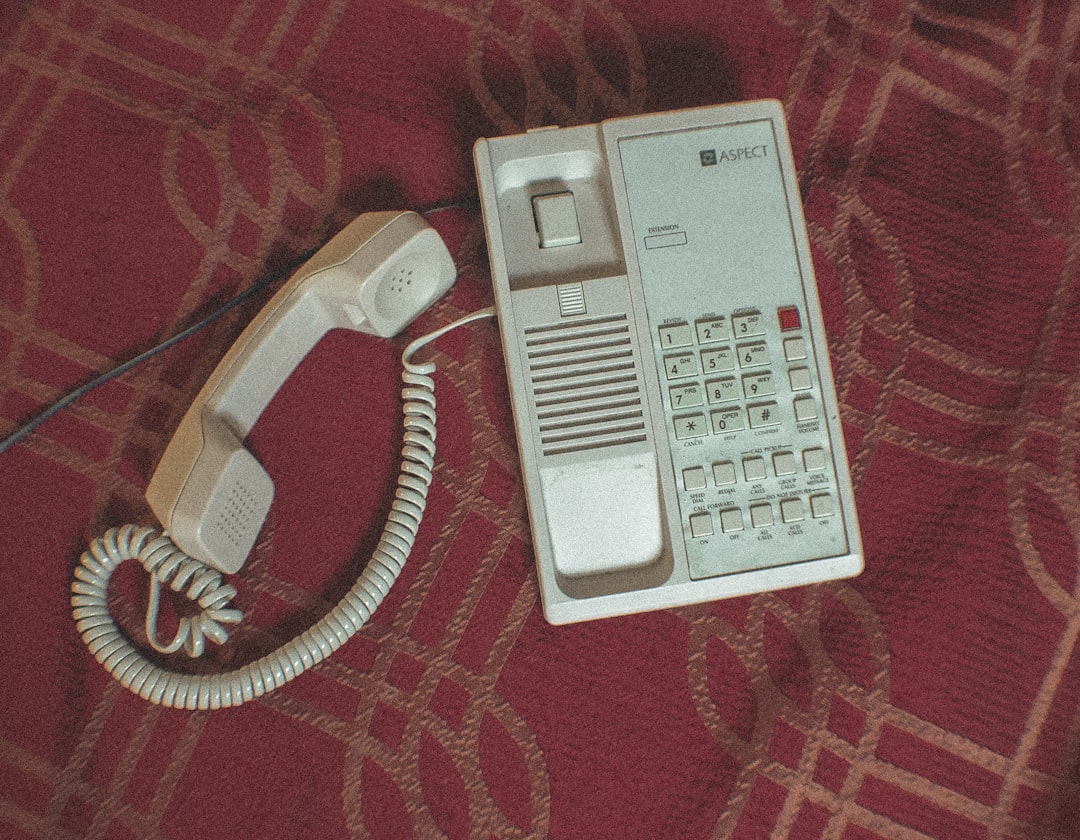
In Houston, as across the nation, residents face an increasing onslaught of robocalls, many of which fall into the category of unwanted or spam calls. While some calls offer legitimate services or products, others are malicious attempts to scam or steal personal information. The Telephone Consumer Protection Act (TCPA) provides robust protections against such practices. This federal law restricts how businesses and telemarketers can contact consumers, including restrictions on automated dialing systems and prerecorded messages. It’s important for Houston residents to understand their rights under the TCPA and the actions they can take when these laws are violated.
When a consumer feels they’ve been targeted by spam calls or has experienced a violation of the TCPA, several legal avenues exist. The most common approach involves filing a complaint with the Federal Trade Commission (FTC) or relevant state agencies. These entities investigate complaints and have the power to impose fines on violators. Additionally, consumers can seek direct legal action through a Spam Call law firm Houston. Such firms specialize in TCPA violations, helping individuals recover damages, including monetary compensation for each violation. For instance, if a caller made 10 unauthorized calls, a consumer could be entitled to $500 per call, resulting in significant restitution.
Houston residents can also take proactive steps to minimize unwanted calls. Registering on the National Do Not Call Registry is an effective first step. This federal list restricts telemarketers from calling registered numbers. Many phone services now offer call-blocking features tailored for spam protection. Consumers should regularly review privacy settings on their devices and accounts, especially those related to voice assistants and smart home devices, which can be vulnerable to unauthorized access. By combining legal action with technological defenses, residents of Houston can better protect themselves from the scourge of robocalls and reclaim control over their communication channels.
Best Practices for Enhanced Phone Safety in Houston
In Houston, as across the nation, the prevalence of robocalls has grown into a persistent nuisance, with many residents receiving unwanted calls daily. To combat this issue, individuals must adopt robust best practices for phone safety to protect themselves from spam calls. One effective strategy is to register on the National Do Not Call Registry, a federal list that prohibits telemarketers from calling numbers listed on it. However, even with registration, personalized measures are crucial.
Houston’s Spam Call law firm experts recommend several actionable steps. First, utilize call-blocking apps and tools offered by your service provider or third parties to automatically filter out suspicious or known spam calls. Second, be cautious when sharing your phone number publicly, especially on social media platforms, as this can make you a more attractive target for spammers. Additionally, never provide personal or financial information over the phone unless you’ve initiated the call and are certain of the recipient’s identity. Regularly updating your contact list by deleting unknown numbers and blocking recurring spam calls is also vital.
Moreover, staying informed about local and federal anti-spam laws empowers residents to take proactive measures. Houston’s Spam Call law firm advises keeping abreast of updates to the Telephone Consumer Protection Act (TCPA), which imposes restrictions on automated phone calls and texts. By implementing these best practices, Houston residents can significantly enhance their phone safety, reducing the frequency of robocalls and reclaiming control over their communication channels.