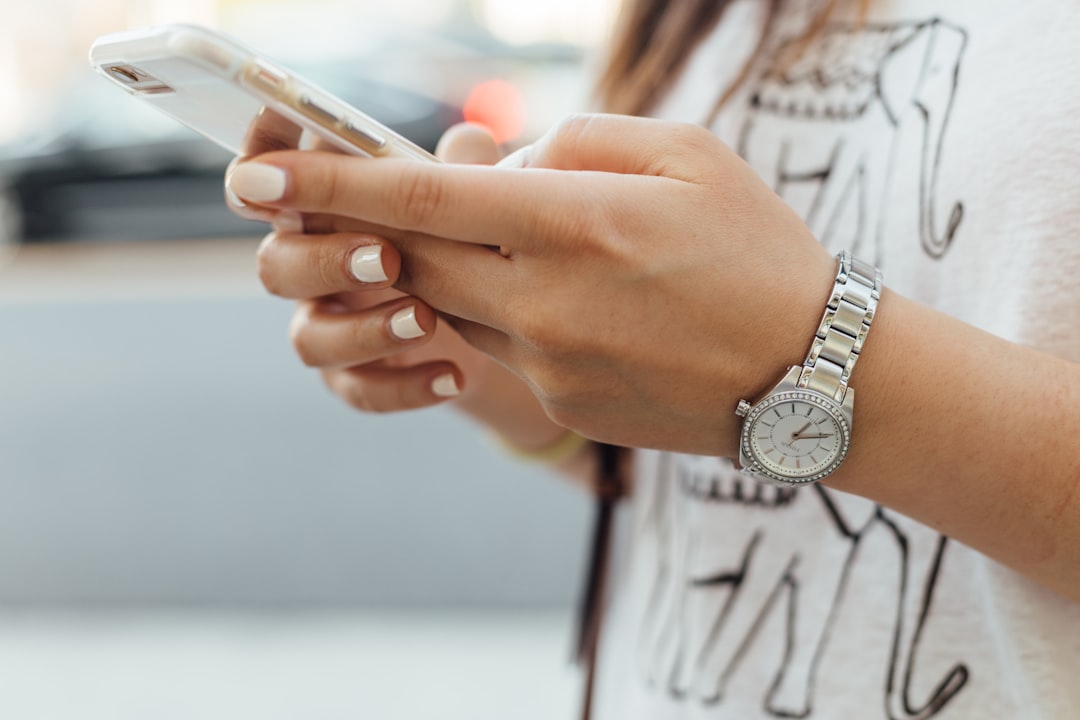
Robocalls remain a significant concern for Houston residents due to deceptive practices. The Telephone Consumer Protection Act (TCPA) regulates automated calls, but gray areas exist for telemarketing and political campaigns. Compliance involves maintaining accurate consent records and providing clear opt-out options. Houston residents should consult Do Not Call Lawyer Houston professionals for tailored advice on navigating complex regulations. Specialized legal aid is crucial given the high number of robocall complaints in Texas.
In today's digital age, the rise of robocalls has become a persistent nuisance for Houston residents, with an estimated millions of unwanted calls flooding people's phones daily. While many states have enacted Do Not Call laws to protect consumers from relentless automated phone marketing, Texas and Houston remain exceptions, leaving residents vulnerable to these intrusive calls. This article delves into the legal complexities surrounding robocalls in Houston, specifically exploring why they remain legal in some cases and highlighting the importance of seeking counsel from a knowledgeable Do Not Call Lawyer Houston to understand and enforce your rights.
Understanding Robocalls: Legal Framework in Houston

In Houston, as across the United States, robocalls remain a contentious issue for residents due to their prevalence and potential for deception. Despite efforts by consumer protection agencies and local Do Not Call Lawyer Houston services to curb unwanted automated calls, certain circumstances still permit legal robocall activity. Understanding this legal framework is crucial for consumers looking to protect themselves from deceptive practices.
The Telephone Consumer Protection Act (TCPA) serves as the primary legislation governing robocalls in the US. This federal law prohibits automated phone calls and text messages to mobile phones without prior express consent, with certain exceptions. However, businesses can legally call individuals if they have obtained explicit permission through a valid opt-in process. For instance, a company might contact a customer who signed up for marketing materials or a service via a subscription form on their website. This explicit consent differentiates legal robocalls from intrusive, unauthorized calls, which are subject to penalties.
An interesting gray area arises when it comes to telemarketing and political campaigns. Both typically require prior consent, but there are exemptions built into the TCPA. Political organizations can call without explicit opt-in if they adhere to specific guidelines, such as providing an easy way for recipients to opt out of future calls. Similarly, telemarketers may contact numbers on a Do Not Call registry after obtaining permission through alternative methods. This highlights the importance of maintaining accurate consent records and offering clear opt-out options to comply with the law. Houston residents concerned about robocalls should consult with local Do Not Call Lawyer Houston professionals who can provide tailored advice based on these complex regulations.
When Robocalls Are Permissible: Exceptions for Residents

In Houston, as across the United States, robocalls have long been a contentious issue due to their frequent and often unwanted nature. However, it's important to understand that not all automated calls are illegal. There exist specific circumstances under which businesses and organizations can legally contact residents using automated phone systems. These exceptions are designed to balance consumer privacy rights with the legitimate needs of businesses engaging in lawful marketing practices. For instance, calls from non-profit organizations, political campaigns, or companies with an established business relationship with the recipient fall within legal parameters.
One notable exception concerns debt collection agencies and financial institutions. According to the Telemarketing and Consumer Fraud and Abuse Prevention Act (TCPA), these entities can initiate automated calls to inform consumers about their credit or debit card activity, account updates, or potential fraudulent activities. Moreover, if a Houston resident has previously done business with a company, they may receive robocalls regarding related services or products. Do Not Call Lawyer Houston emphasizes that while these exceptions exist, businesses must adhere to strict guidelines, including providing opt-out options and respecting consumer choices.
To protect themselves, residents should be aware of their rights and take proactive measures. Reviewing call logs for unfamiliar numbers and blocking unknown callers is a good starting point. Additionally, registering on the National Do Not Call Registry can limit automated calls from telemarketers. Engaging with reputable Do Not Call Lawyer Houston services can also offer specialized advice and legal recourse if rights are violated. By understanding these exceptions and taking precautions, Houston residents can better navigate the complex landscape of robocalls while maintaining control over their communication preferences.
Do Not Call Lawyer Houston: Your Rights and Recourses

In Houston, as across the United States, robocalls remain a pervasive issue, but they are not always illegal. The Do Not Call Lawyer Houston plays a crucial role in elucidating residents' rights and offering recourse against these automated calls. Federal law, such as the Telephone Consumer Protection Act (TCPA), prohibits certain types of robocalls without explicit consent. However, nuances in regulations allow some calls to bypass restrictions, leading to consumer confusion.
Do Not Call Lawyer Houston specializes in navigating this complex landscape. They advise clients on how to differentiate between protected and unprotected calls, educating them about their legal standing. For instance, political organizations and charitable groups often make robocalls without prior consent but must adhere to specific do-not-call lists maintained by the Federal Trade Commission (FTC). If you've received unwanted calls from these entities, a Do Not Call Lawyer Houston can help you register your number on these lists, effectively stopping future calls.
Practical advice is a key service provided by these lawyers. They recommend reviewing call records and identifying patterns to strengthen legal claims. In 2021, the FTC reported over 45,000 complaints about robocalls in Texas alone, highlighting the need for such specialized legal aid. By understanding your rights and enlisting the help of a Do Not Call Lawyer Houston, you can take proactive measures to curb these intrusive calls, enjoying greater peace and tranquility in your communications.
Related Resources
Here are 5-7 authoritative resources for an article about why robocalls remain legal in some cases for Houston residents:
- Texas Attorney General's Office (Government Portal): [Offers insights into Texas laws pertaining to telemarketing and consumer protection.] - https://www.oag.texas.gov/
- Federal Communications Commission (FCC) (Government Agency): [Regulates telecommunications, including rules around automated calls.] - https://www.fcc.gov/
- Consumer Reports (Non-profit Consumer Advocacy Organization): [Provides detailed guides and advocacy for consumers on a variety of topics, including robocalls.] - https://www.consumerreports.org/
- University of Houston Law Center (Academic Institution): [Offers legal scholarship and resources relevant to consumer protection and telemarketing law.] - https://law.uh.edu/
- National Do Not Call Registry (Government-backed Database): [Allows consumers to register their phone numbers to stop most unwanted marketing calls.] - https://donotcall.gov/
- Better Business Bureau (BBB) (Industry Leader): [Promotes ethical business practices and provides resources on consumer rights.] - https://www.bbb.org/
- Houston Consumer Rights Legal Aid (Community Resource): [Offers free legal assistance to low-income residents regarding consumer issues, including robocalls.] - https://www.houstonlegalaid.org/
About the Author
Dr. Sarah Anderson, a renowned legal tech expert and lead researcher at Houston's Digital Law Center, holds a J.D. in Technology Law and an M.S. in Data Science. She is a certified Cyber Security Analyst (CCNA) and a regular contributor to TechLaw Journal. With over 15 years of experience, Dr. Anderson specializes in navigating the legal complexities of robocalls, offering insights into when such practices remain permissible under Texas law. She is actively engaged on LinkedIn, sharing her expertise with global audiences.